Estrutura e Organismo [Structure and Organism]
Structure and Organism brings together works concerned with the formation of images and the conditions from which they arise.
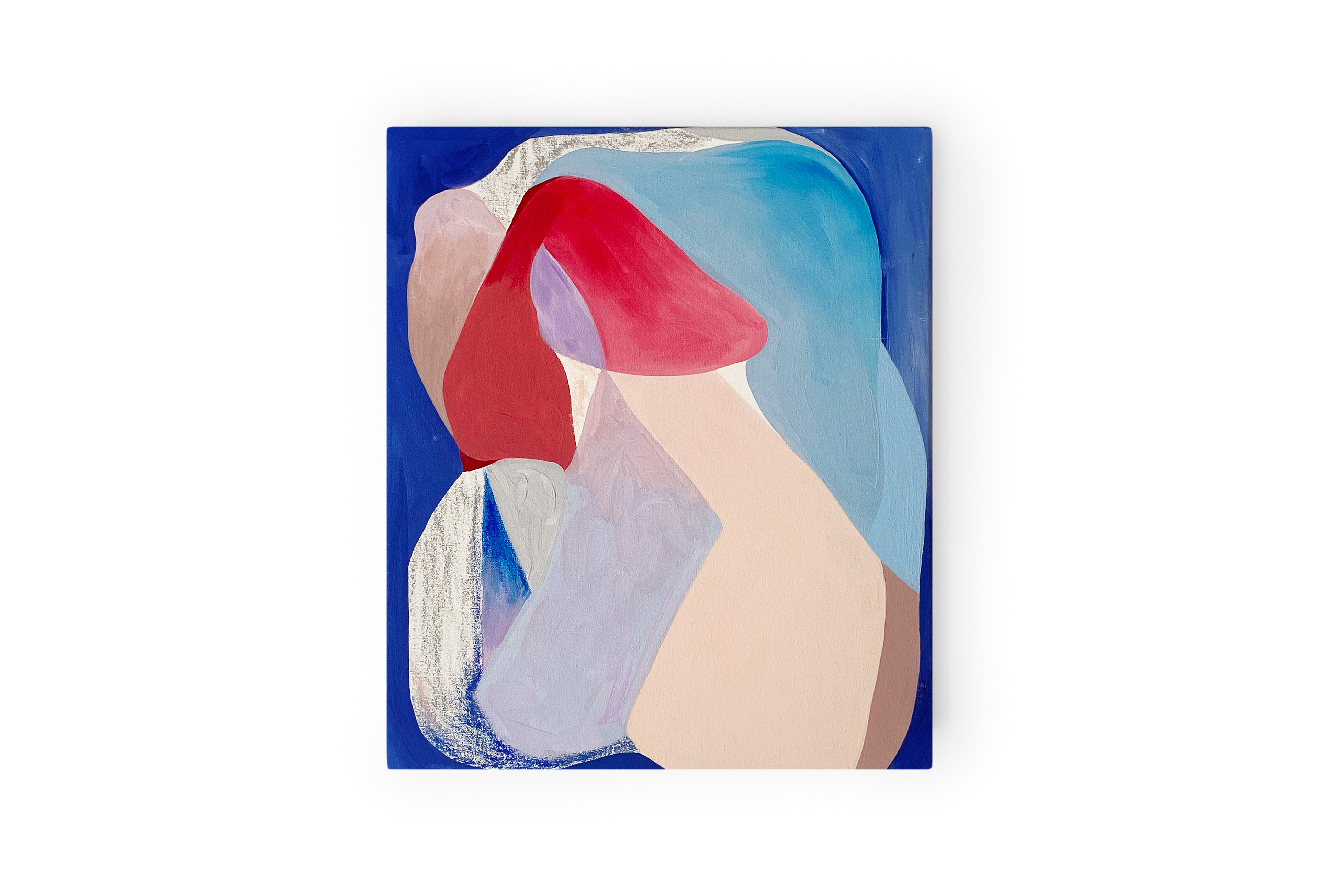
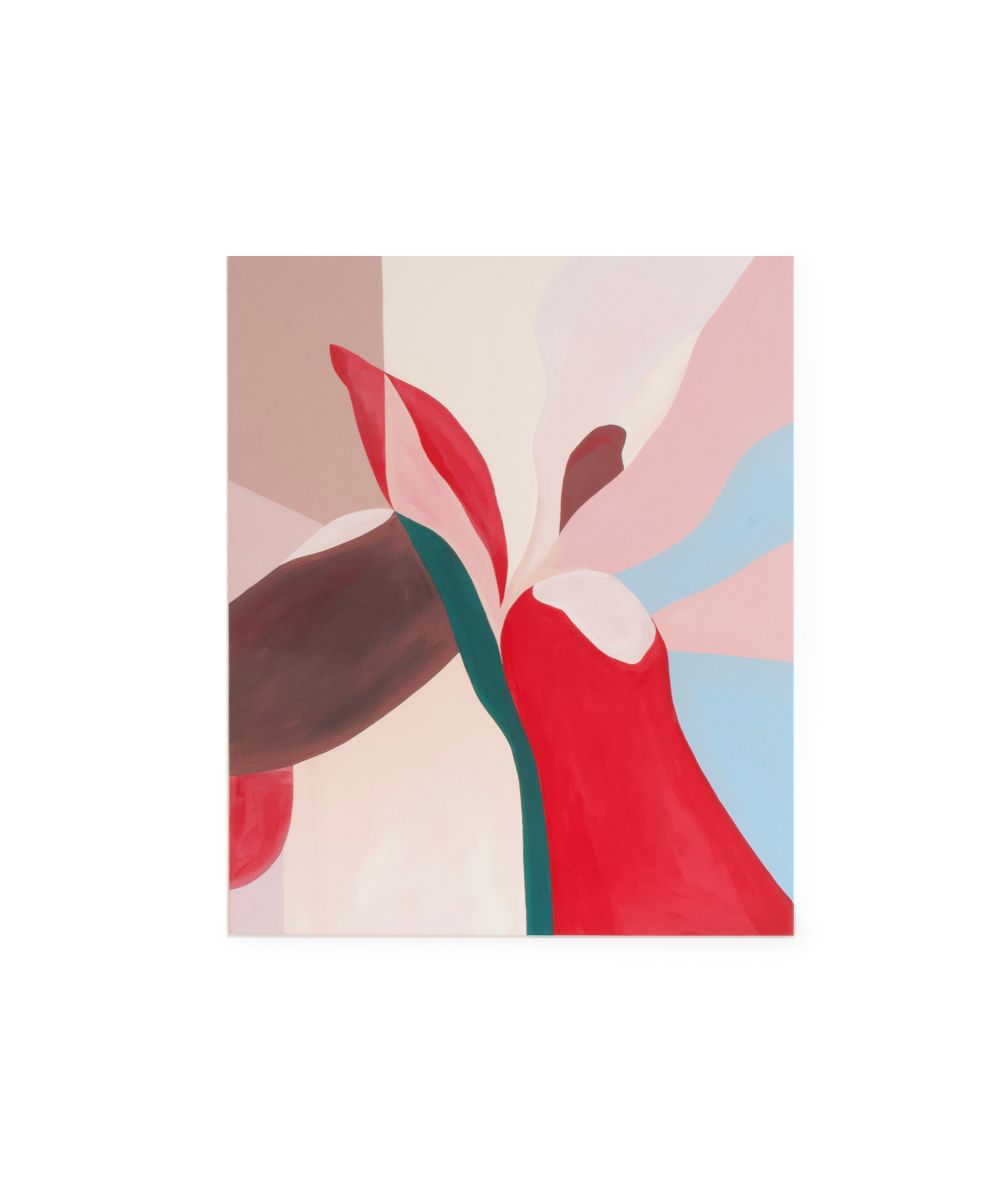
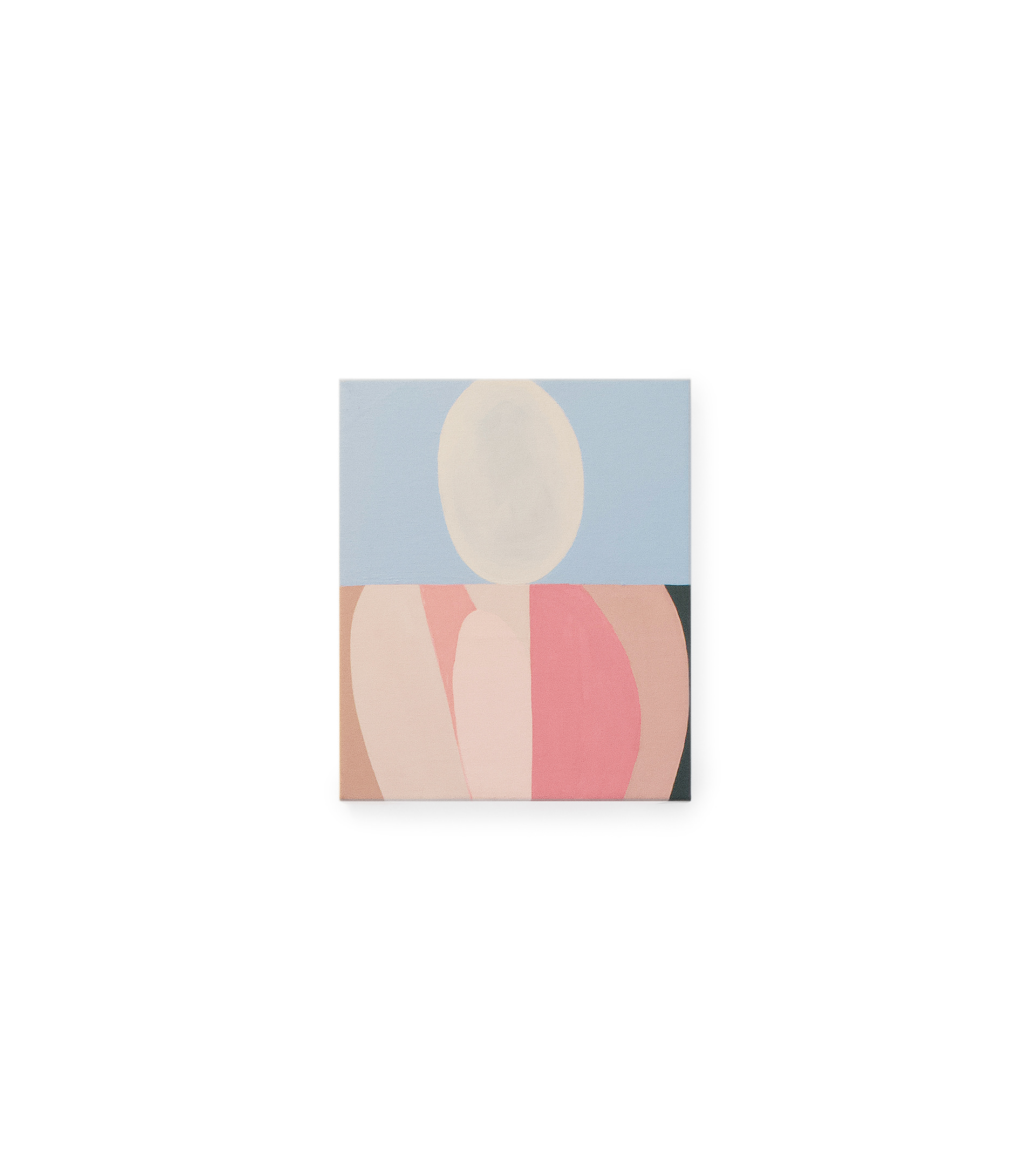
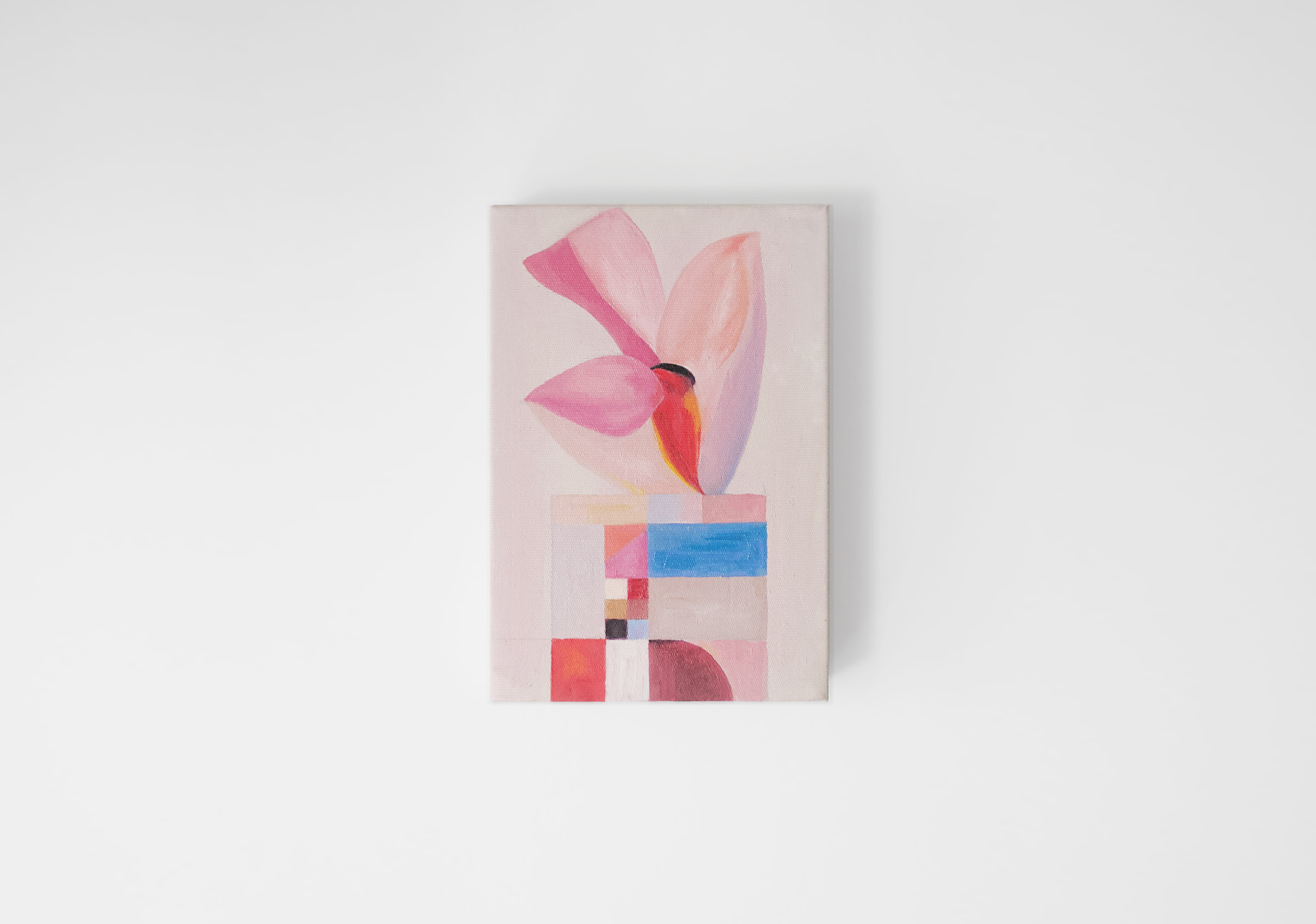
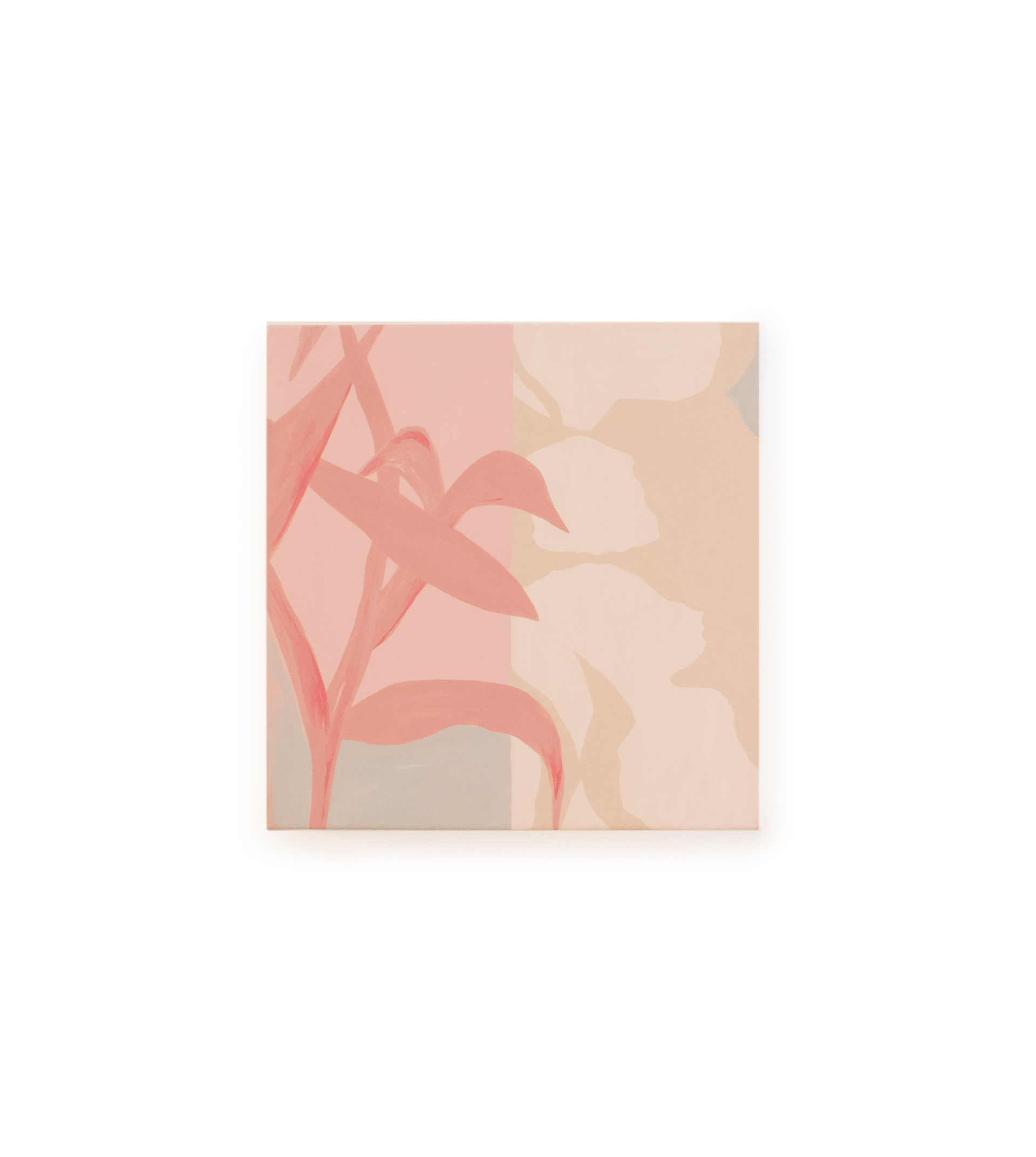
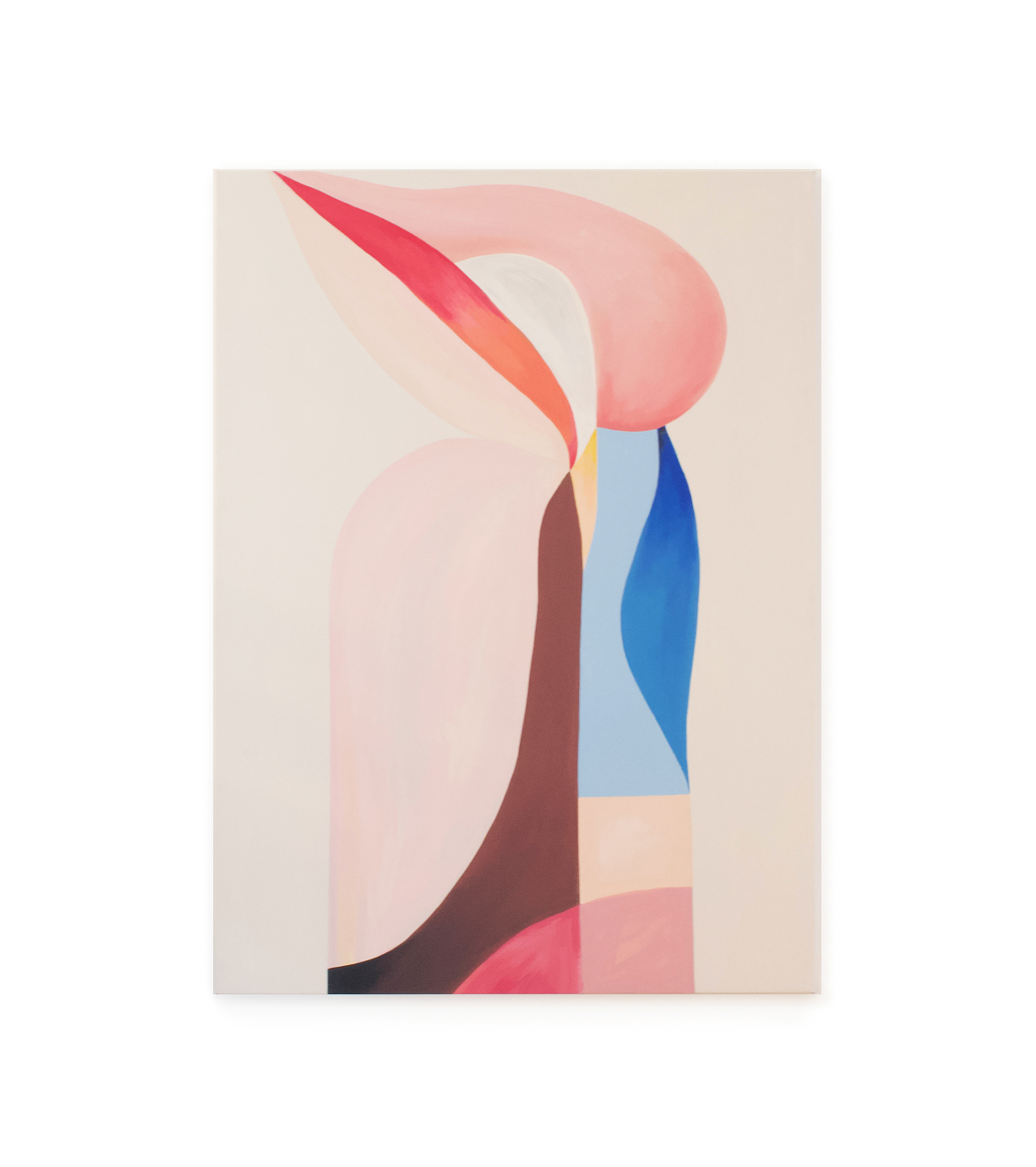
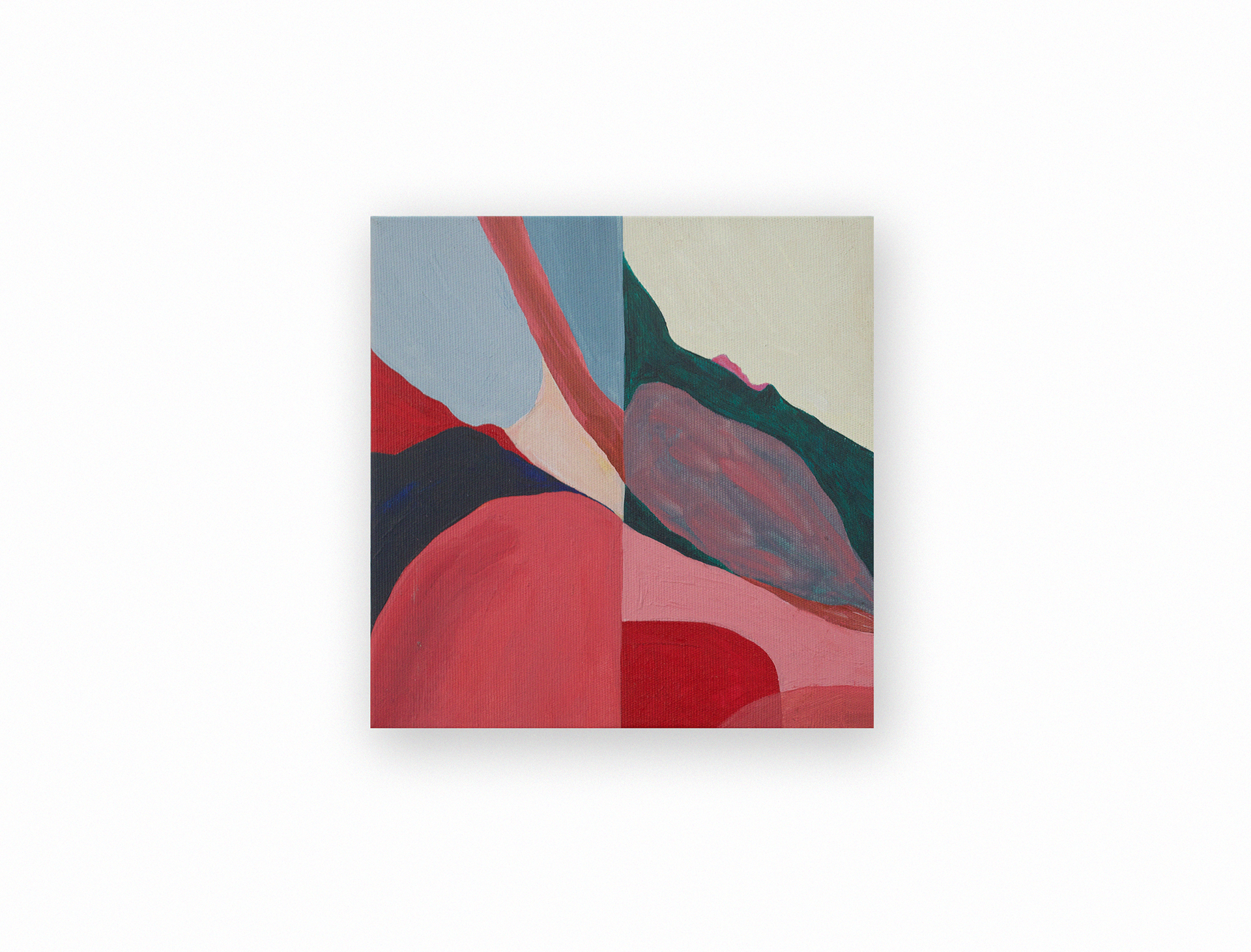
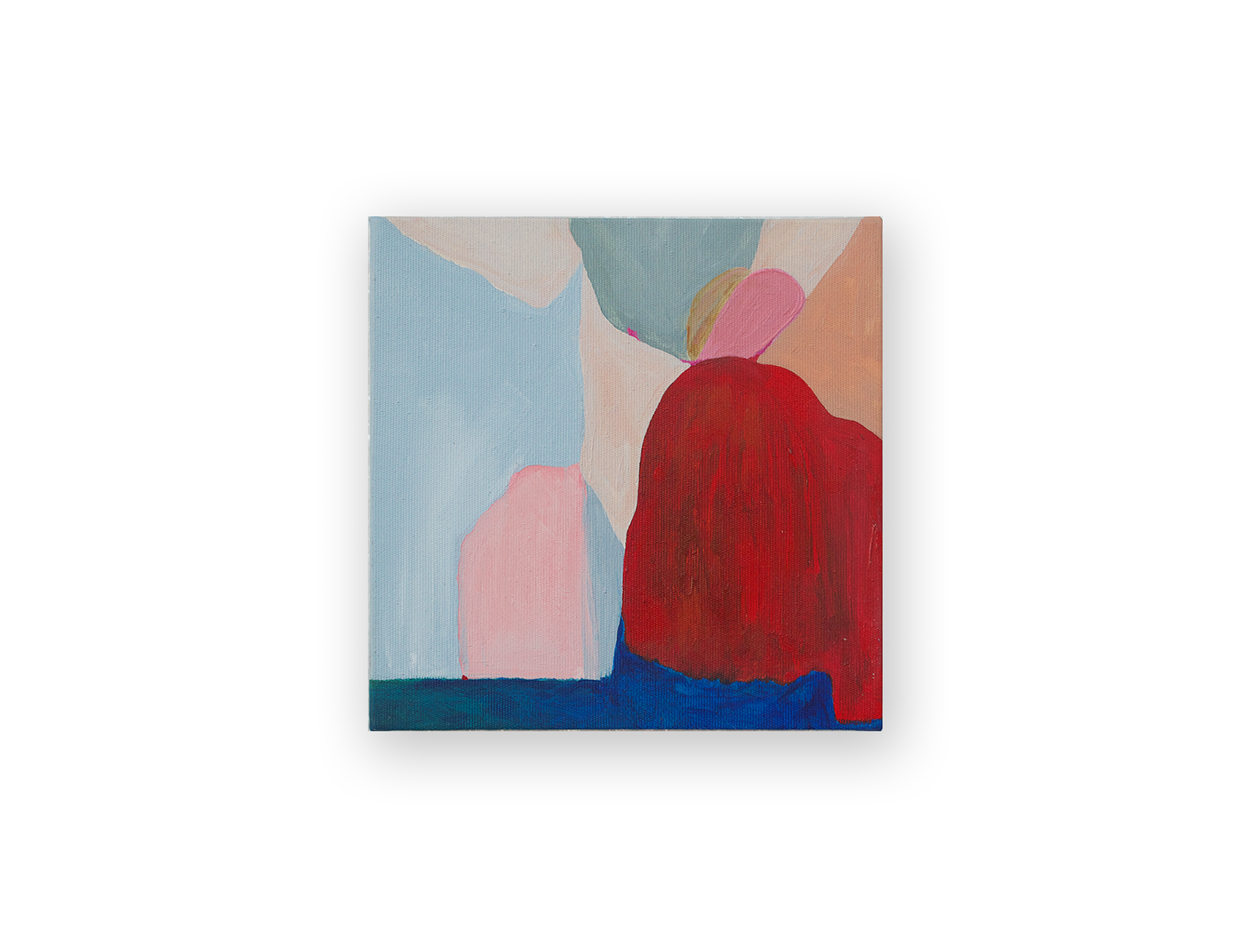
Grids, layers, textures, and accumulations function as underlying structures from which forms begin to emerge. Neither fully abstract nor fully representational, the works occupy a transitional space where images are still becoming, appearing, dissolving, and reorganizing themselves over time.
By moving between control and unpredictability, digital logic and material processes, the works examine how images come into existence and how they remain open to transformation.
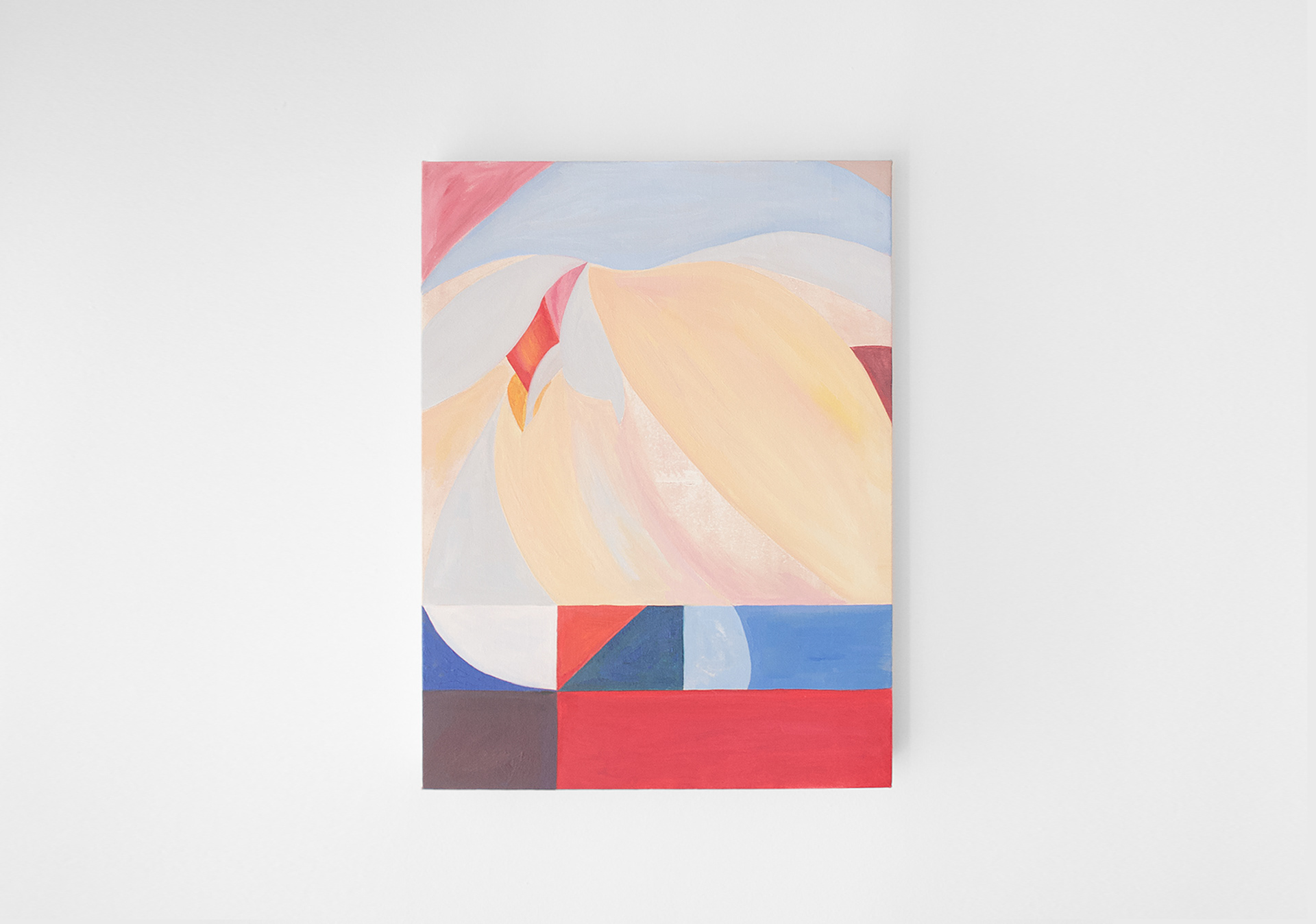
Exhibition view . Plano de Fundo . Asa BASA, Curitiba, Brazil, 2024
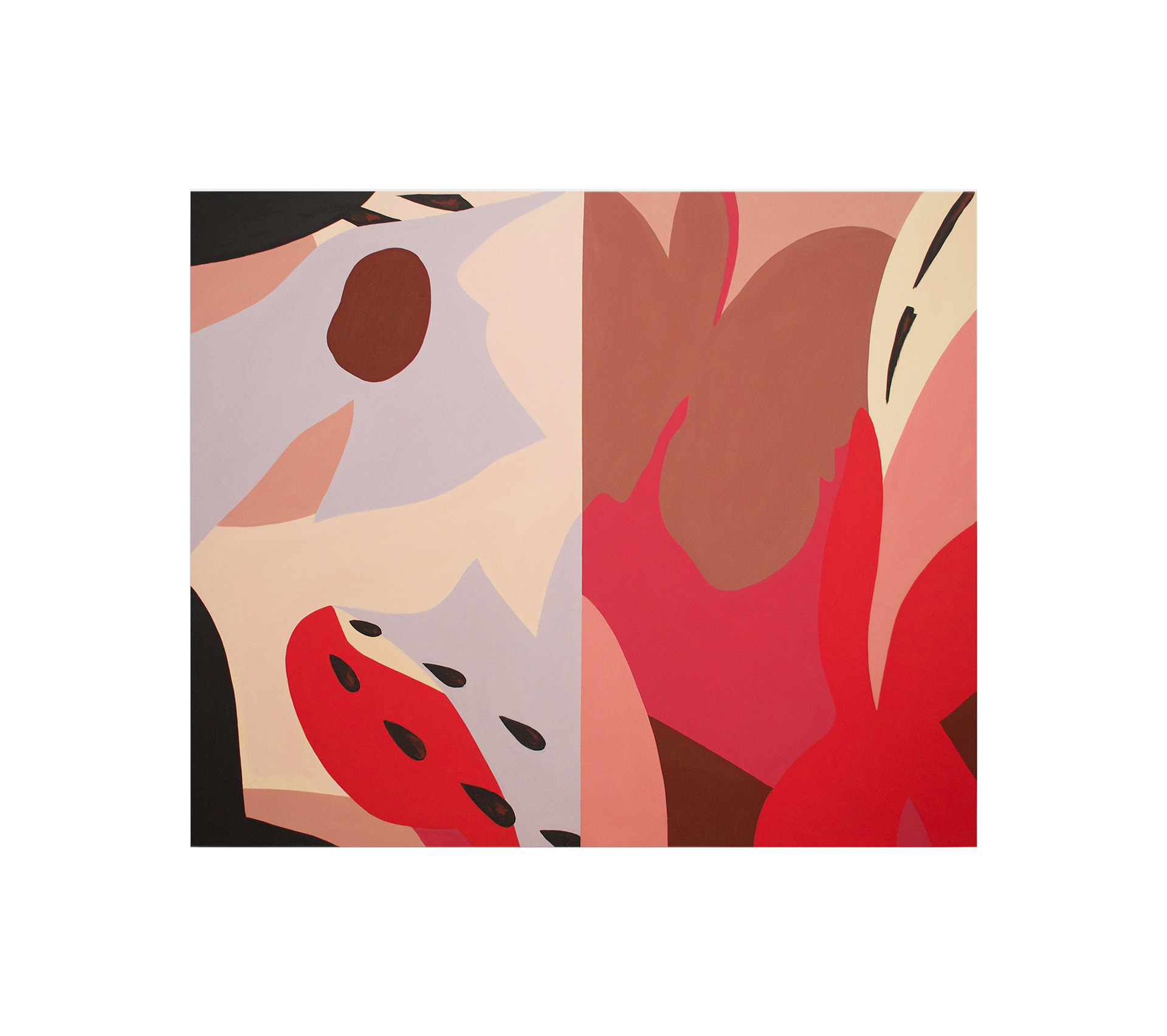
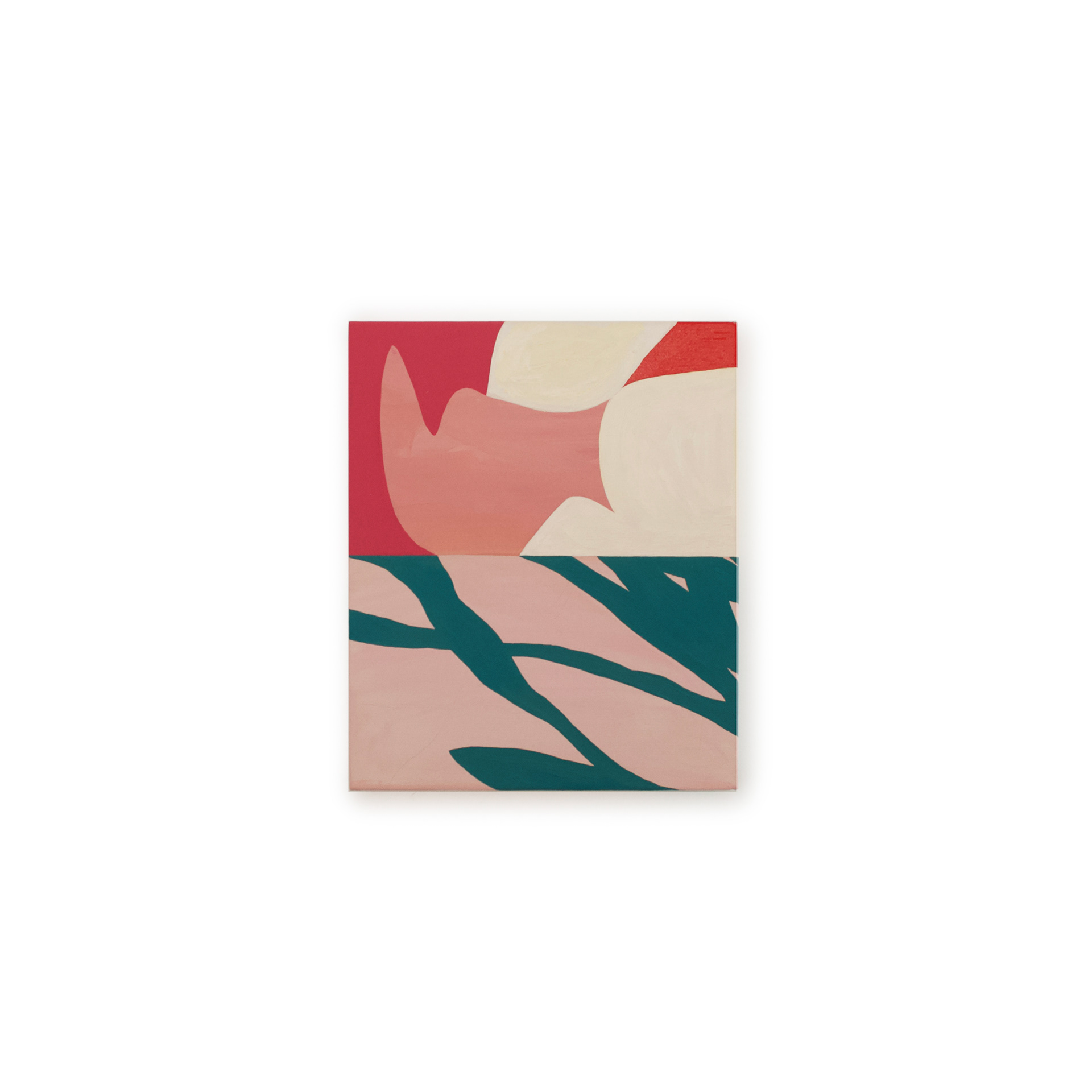
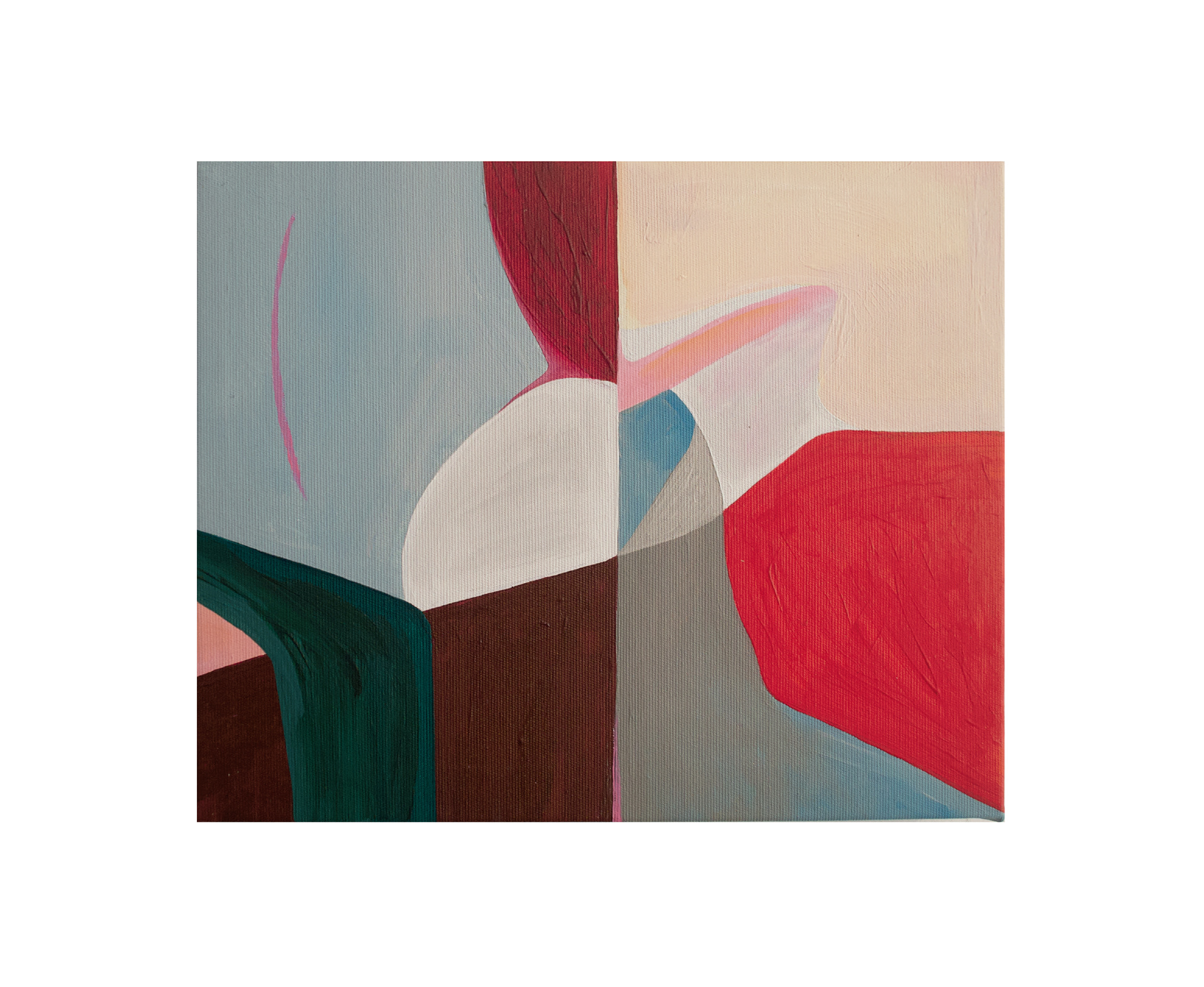
Desmesclar 1 (Unmerge 1), 2024. Acrylic on canvas . 40 × 30 cm
Crop, 2024. Acrylic on canvas . 58 × 48 cm
Portal, 2024. Acrylic on canvas . 25 × 25 cm
Plano de Fundo (Background Layer ), 2024. Acrylic on canvas . 10 × 10 cm
Dissolver, Sentido Horário (Dissolve, Clockwise), 2024. Acrylic on canvas . 60 × 60 cm
Preenchendo, 2024. Acrylic on canvas . 16,5 × 22 cm
Installation view. Dissolver Progressivo (Progressive Dissolve), 2024. Acrylic on MDF. variable dimensions. 17 – 44 cm.
Dissolver (Dissolve) 4, 2024. Acrylic on MDF. 40 x 35,5 cm.
Dissolver (Dissolve) 1, 2024. Acrylic on MDF. 26 x 24,5 cm.
Curatorial Essay — Lucas Velloso, 2024
BACKGROUND LAYER
Luciana Gnoatto at Asa BASA
As an image gradually fades, becoming increasingly translucent, one eventually notices a checkered pattern beneath it all: alternating white and gray squares extending ad infinitum. Fully revealed, this transparency grid—the ultimate background layer—comes to represent emptiness itself.
During her time at the R-BASA artist residency, which culminated in this exhibition, Luciana Gnoatto investigated the structures and origins underlying her practice, situated between painting and image-editing software. Her refined figurative language, known for its synthesized depictions of female figures rendered through smooth, graphic painting, was dismantled and reconfigured into abstract compositions.
Forms acquired volume and chalk-like textures across wooden panels and canvases of varying shapes, sometimes sinking into other surfaces. In the colorful works, the artist's distinctive palette remains present, as do the solid blocks of color that once served representational purposes while always retaining a non-figurative potential of their own.
In her earliest experiments with digital imagery as a teenager, Luciana intuitively distorted images using Photoshop effects, embracing the unpredictability that came from not fully mastering the tool. More than a decade later, now highly proficient in digital image manipulation and with extensive experience in graphic design, she revisits those initial gestures of the cursor within her artistic practice. The fluidity simulated on the computer screen—dissolving, distorting, and liquefying forms—is carefully translated into painting through deliberate manual processes.
We live in a moment when design structures more aspects of life than ever before. From cities to personal identities, from food to eyebrows, everything seems to be continuously designed. Nothing exists outside design, as Luís Alegre suggests in his reflections on design and nothingness (No Libros, 2021).
Luciana Gnoatto's new body of work unfolds upon and through this background layer, revealing what usually remains hidden, pulling back the curtain on the space of planning and construction, and experimenting with the possibility of beginning again.
— Lucas Velloso
Curator
Curator